Telehealth transforms care for health workers like Bhadra in Nepal
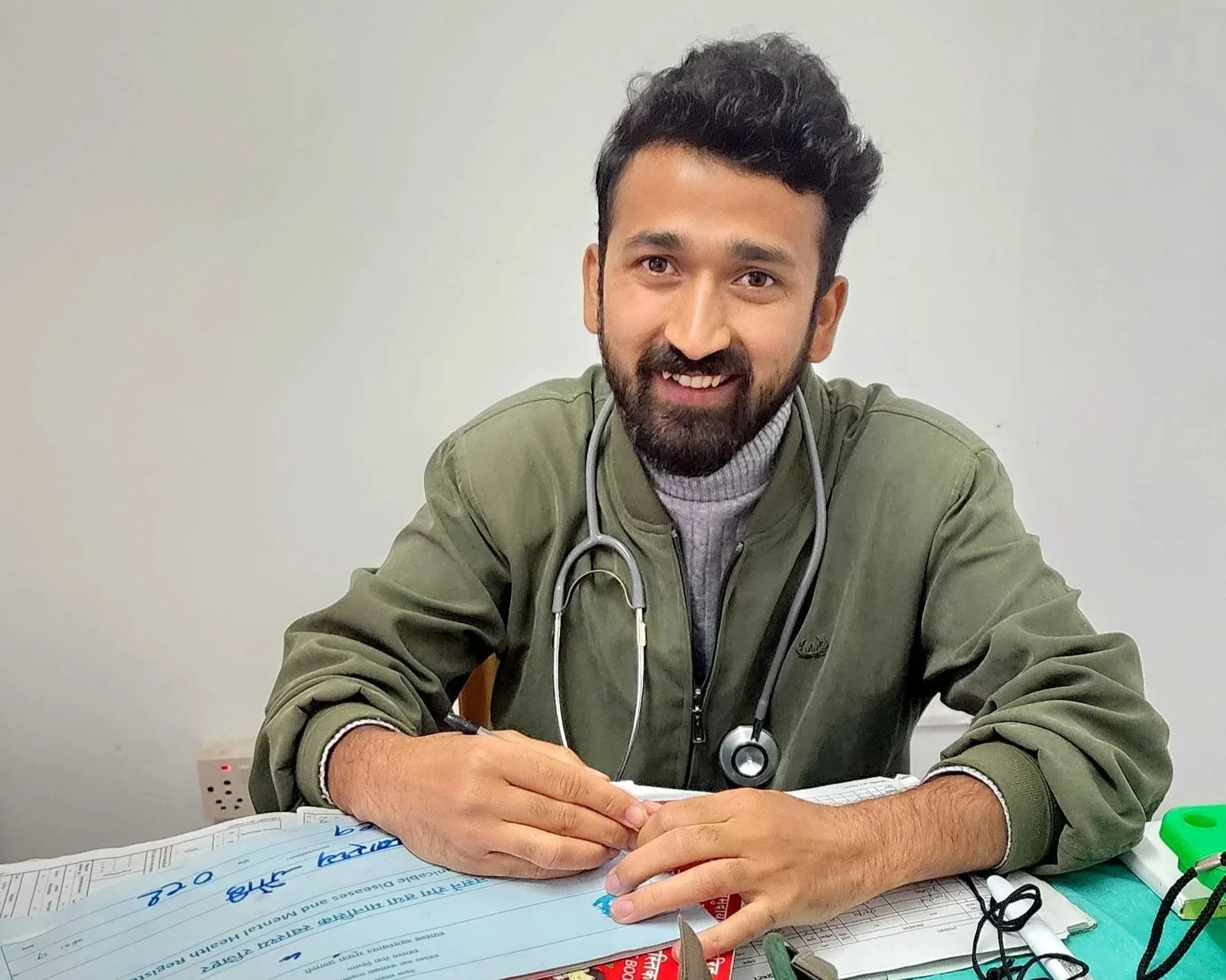
Bhadra Khadka a health worker at Taksindu Health Post
High in the hills of Solukhumbu, roads are rough and winding and even a simple hospital visit can mean hours of travel. In the remote regions of Nepal, geographic isolation has long made access to healthcare a challenge for many families. Too often, this isolation means serious illnesses go undiagnosed, and treatable conditions can become life-threatening.
In April 2024 when AHF in partnership with Action for Nepal, ASK Foundation and local municipalities launched a pilot telehealth program in Waku, Chheskam and Taksindu. By equipping rural health posts with laboratories, training and digital consultation tools, this project connected frontline health workers with doctors in Kathmandu. Patients received faster diagnoses, improved treatments and care that saved time, money, and most importantly, lives. Since its launch, 271 people have accessed telehealth services, 741 lab tests have been carried out and referrals to distant hospitals have dropped by 70%.
For Bhadra Khadka in Taksindu, telehealth has been transformative. Not only has it strengthened his practice, but deepened the trust between him and his community. Bhadra shared with us what it means to deliver care in a remote community in Nepal, and how telemedicine is changing (and saving) lives.
Namaste, my name is Bhadra Khadka. I am a 24-year-old Health Assistant in the remote region of Taksindu, Solukhumbu. I’ve had the privilege to walk alongside the most underserved communities, not as someone with all the answers, but as someone determined to find them. In these mountain villages where the terrain is unforgiving and silence often replaces access, I’ve committed myself to becoming a lifeline for those who would otherwise be left behind.
This journey hasn’t been easy. Every day presents new challenges: weather, distance, isolation, and the heartbreaking reality of patients who suffer quietly, simply because help is too far away. Yet, these obstacles became my calling. And in the midst of these barriers, one powerful tool reshaped my journey: telehealth.
At first, telemedicine was a concept I had only heard about. But soon, it became my lifeline. With the help of phones and video consultations, I reached patients who couldn’t travel, guided them through treatments, and monitored recoveries from afar. Through digital channels, I connected with specialists, made more confident decisions, and delivered care that went beyond expectations. I didn’t just gain skills, I built relationships, trust, and dignity in the healing process.
I grew into this role by learning from experience, observing senior professionals, and attending targeted training sessions. The support I received from my health institution and colleagues gave me the space to develop my abilities and expand my impact. I’ve held the hands of patients virtually, taught them to use digital tools, and reassured them in moments of fear.
As I look back on what I’ve accomplished in just a few short years, I feel proud, not of titles or certificates, but of the confidence I've gained and the people I’ve helped. Being only 24 doesn’t limit me, it fuels me. It reminds me there’s still so much to do, so many voices to amplify, and so many possibilities to explore. I dream of becoming a certified telemedicine practitioner, mentoring others and building awareness so that these digital lifelines reach every last household nestled in Nepal’s hills.
I am deeply thankful to Action for Nepal, ASK Foundation, and the Australian Himalayan Foundation. Your trust in me has empowered more than just a single health worker; it has strengthened an entire community’s chance to live, recover and thrive. Because of your support, families no longer face health crises alone. Children no longer wait for care that may never come. You have not just backed a project, you have ignited a movement of compassion and capability. From the heart of Solukhumbu to the spirit of every life saved, thank you.
Telehealth services remove financial barriers, improve access to specialist care and enable early diagnosis. Evaluation findings and community feedback has confirmed that telehealth is reducing inequities, lowering the need for costly travel and strengthening the skills and confidence of local health workers. Building on this success, AHF is now expanding the telehealth program to additional districts in partnership with Action for Nepal.
This project is funded by generous Australian Himalayan Foundation donors with support from the Australian Government through the Australian NGO Cooperation Program (ANCP).
Read more about our Health Programs or the telehealth program