
As climate change accelerates, the Himalayan region faces an escalating threat from devastating forest fires. To help address this shared challenge, the Australian Himalayan Foundation (AHF), through the Australia Awards program funded by the Australian Government’s Department of Foreign Affairs and Trade (DFAT), has been strengthening regional resilience. By bringing together Australian emergency management expertise with local knowledge in Nepal and Bhutan, these exchanges translate fire management knowledge into practical, community-led strategies to help safeguard families and landscapes across the Himalaya.
Fire Fellowship continues in Nepal
Australian and Nepali fire specialists are deepening their collaboration to tackle intensifying forest fires. In March, AHF Program Manager Alina Clark, Forest Fire Management Victoria Operations Coordinator and program facilitator Vince Cafari and UNSW Professor Jason Sharples travelled to Nepal for the second phase of the Australia Awards Nepal Fire Fellowship. Reconnecting with the 15 Nepali Fellows, this visit built directly on the initiative's first phase, which saw the Nepali fire professionals travel to Australia in October 2025 for immersive exchanges with Australian emergency management agencies.
“By fostering vital networks between Australian and Nepali fire professionals, this Fellowship has created a strong foundation for sharing of expertise. It is a critical step forward in supporting Nepal to scale up its defense against the intensifying threat of forest fires.” —Alina Clark, AHF Program Manager
Read more about it here.
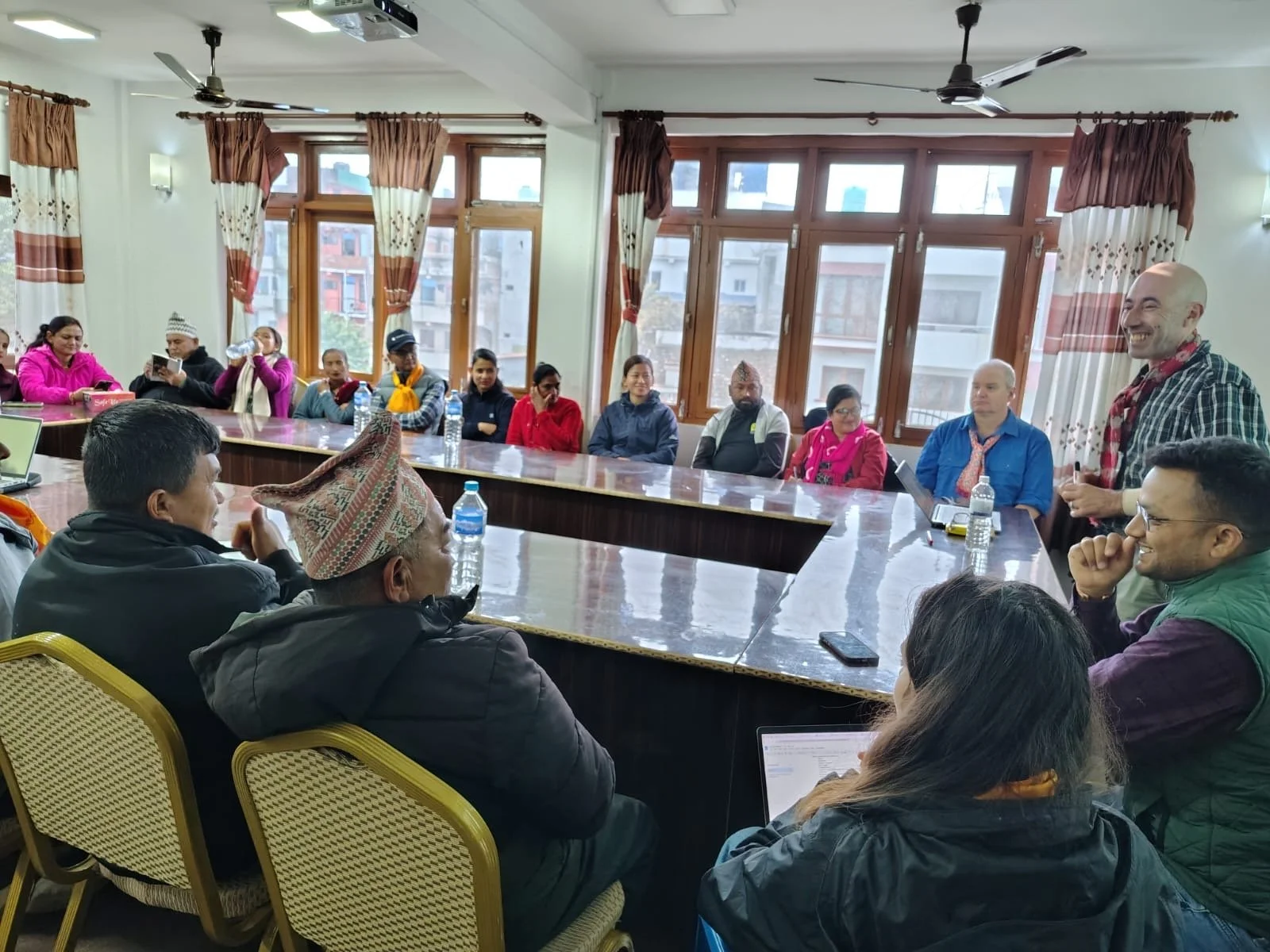
The Nepali Fellows, Vince Cafari and Professor Jason Sharples join local government representatives, District Forest Officers and Community Forest User Group members in Chautara Municipality to review community feedback on fire training modules.
Kathmandu seminars and workshops
Supported by the Australian Embassy in Nepal, the program launched with a one-day seminar in Kathmandu that brought together government officials, fire management professionals and community stakeholders to address climate-induced forest fires. The event served as a platform to strengthen Nepal's fire management systems using shared insights, with Fellows demonstrating how their respective organisations are already implementing strategies learned in Australia. Ultimately, the seminar fostered greater accountability, established joint priorities and underscored the urgent need for clearer institutional roles alongside sustained capacity building.
Following the seminar, a series of specialised workshops brought Australian emergency experts together with professionals from across Nepal’s fire sector. These sessions successfully showcased current mitigation efforts, deepened collaboration and created a high-value forum for strategic dialogue and professional networking.
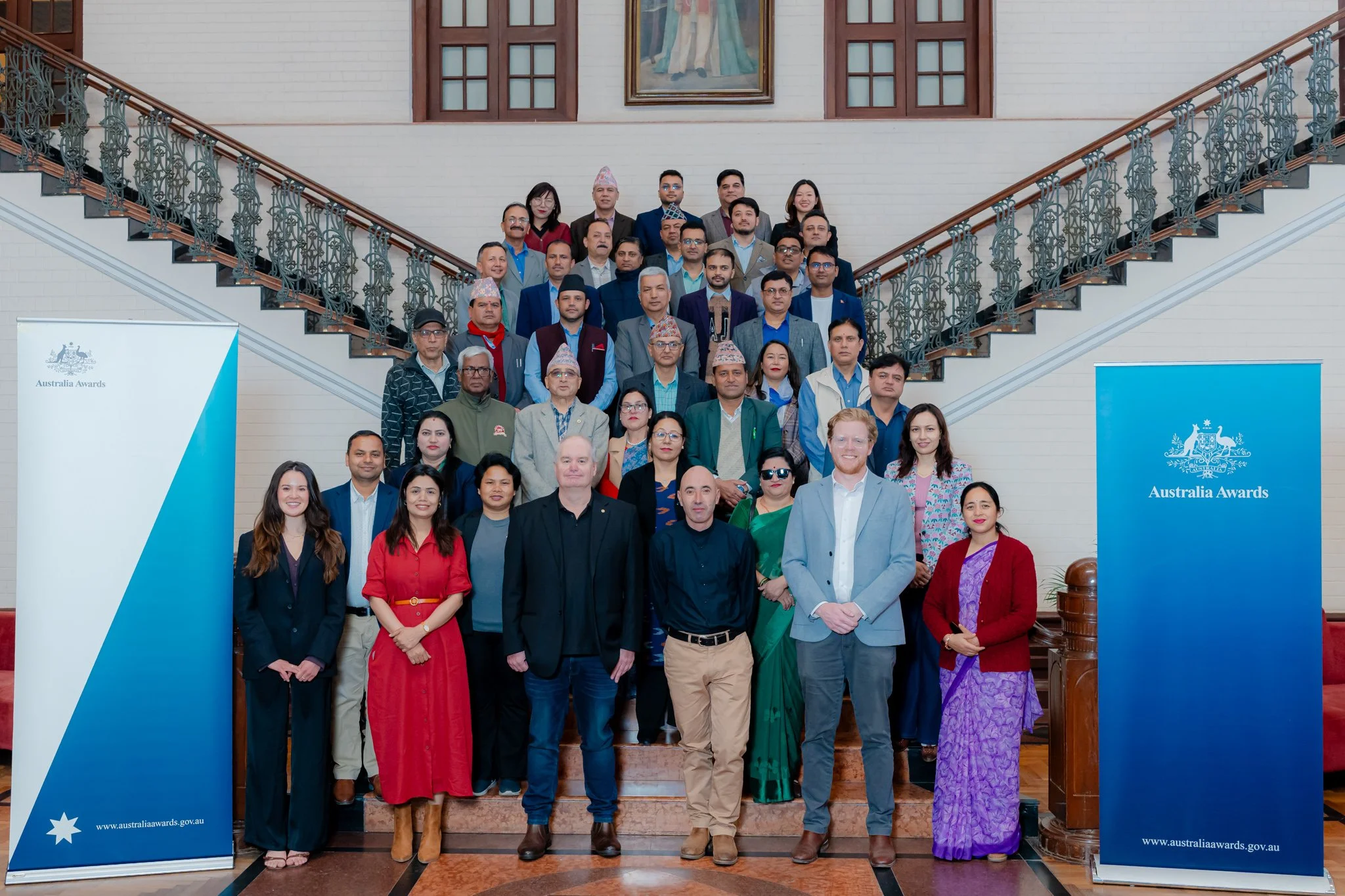
Nepali Fellows, local fire management experts and Australian Embassy staff in Kathmandu following the seminar.
Practical action in the field
The program also included field demonstrations at sites managed by AHF’s local partner, ForestAction Nepal, highlighting practical approaches such as fuel load management, fire line construction and safety training.
“By understanding the fundamentals of fire behaviour – how weather, terrain and fuels interact – fire managers can more effectively anticipate fire spread and identify safer, more effective response strategies. Nepal's landscapes present unique challenges, but the underlying principles are universal, and building capability in these fundamentals provides a strong foundation for improving fire management outcomes.” — Professor Jason Sharples, UNSW Bushfire
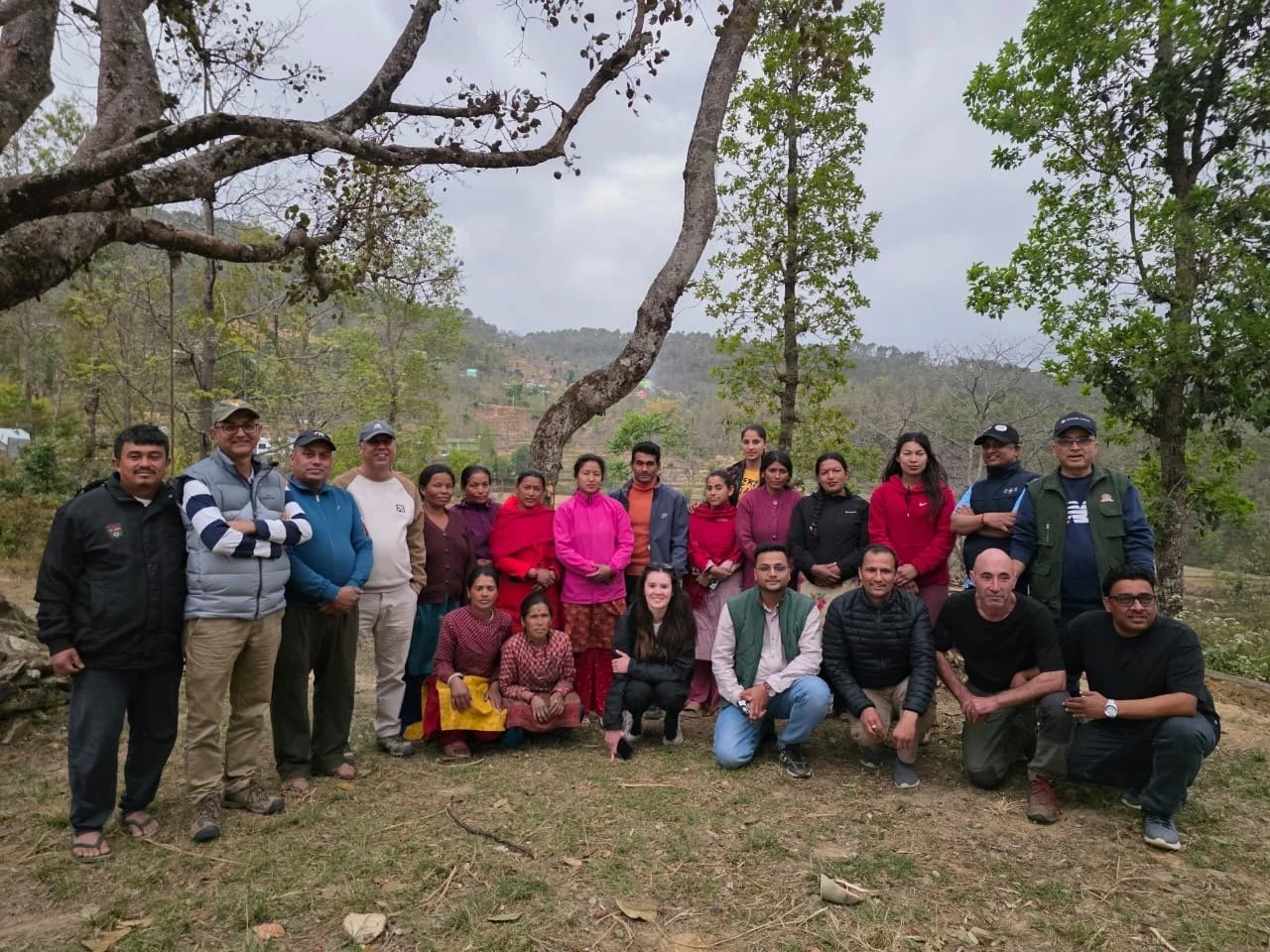
Community Forest User Group members and Nepali Fellows after inspecting community forest plots in Banjhekapase, where forest fire prevention activities were conducted.
Next steps for Nepal
The Fellowship has driven several meaningful initiatives reflecting strong, ongoing collaboration.
To address training gaps, a working group of Fellows from major agencies including ForestAction Nepal, the NDRRMA (National Disaster Risk Reduction and Management Authority), and FECOFUN (Federation of Community Forestry Users, Nepal), with support from AHF and Vince Cafari, is developing Nepal’s fire training modules. The group is prioritising formal endorsement and a “trainer of trainers” model to strengthen national capacity.
Fellows have also outlined potential research priorities for fuel mapping, fire behaviour and ecological impacts. This could lead to future partnerships with ICIMOD, ForestAction Nepal, the Institute of Forestry and Professor Jason Sharples to launch simple research and data-sharing projects.
Professor Sharples is also supervising two postgraduate students from Nepal at UNSW Canberra who are working on fire research integrating their experience in Nepal with perspectives gained in Australia.
These efforts also directly reinforce AHF and ForestAction Nepal’s community-led forest fire prevention and management project in the Dolakha and Sindhupalchowk Districts, which strengthens fire prevention and response among local communities, forest groups and governments.
“The Fellowship was transformational, both in terms of our learning journeys and our careers. Having the opportunity to learn from a country where fire has long been part of the landscape, and to bring home good, practical and replicable approaches, was incredibly valuable. From Indigenous knowledge to modern technologies and satellite-based fire modelling techniques, we were exposed to completely different dimensions of fire management... Through the Fellowship, we learned how similar challenges can be addressed more effectively by learning from one another and by working together towards a better future for humanity.” — Aayush Gautam, Researcher, ForestAction Nepal
Fire professionals from Bhutan visit Australia
Following the success of the Nepal Fire Fellowship, the Australian Himalayan Foundation delivered an Australian Professional Opportunity funded through Australia Awards in April, this time hosting fire management professionals from Bhutan.
The program brought a cohort of eight Bhutanese fire specialists to Victoria for an intensive five-day course led by program facilitator Vince Cafari. Participants explored advanced fire and emergency systems, comparing complex multi-agency frameworks with regional models scalable to a Bhutanese dzongkhag (district). Through site visits, technical workshops and peer discussions, the program covered critical concepts in fire science, fuel management, inter-agency coordination and First Nations fire stewardship.
For the participants, the value extended far beyond technical theory. Rinzin Wangmo, District Disaster Management Officer for Punakha, highlighted the structural and cultural insights gained from the exchange:
“Beyond technical learning, I greatly valued the opportunity to engage with professionals from different organisations and learn how collaboration and coordination are strengthened across agencies. The experience also deepened my appreciation for inclusive approaches, particularly the integration of community engagement, Indigenous knowledge and inclusive practices in emergency management.”
From Australian insights to Bhutanese action
A core focus of the fellowship was translating high-level Australian emergency frameworks into localised strategies. The program culminated in the development of individual action plans designed to directly strengthen Bhutan's disaster response systems.
Tshewang Dorji, District Disaster Management Officer for Thimphu, outlined a clear roadmap for implementing these strategies back home:
“I plan to integrate the knowledge and skills gained from the study tour into my workplace by adapting practical approaches to fire management within the Bhutanese context. In particular, I will promote the concept of fuel load reduction as a key fire risk mitigation strategy to reduce the intensity and spread of forest fires. I will also work towards strengthening coordination among relevant agencies by applying the incident control system I learned, ensuring clearer roles, communication and faster response. I will also share the insights and experiences from the study tour with my colleagues so that the knowledge can benefit the wider team.”
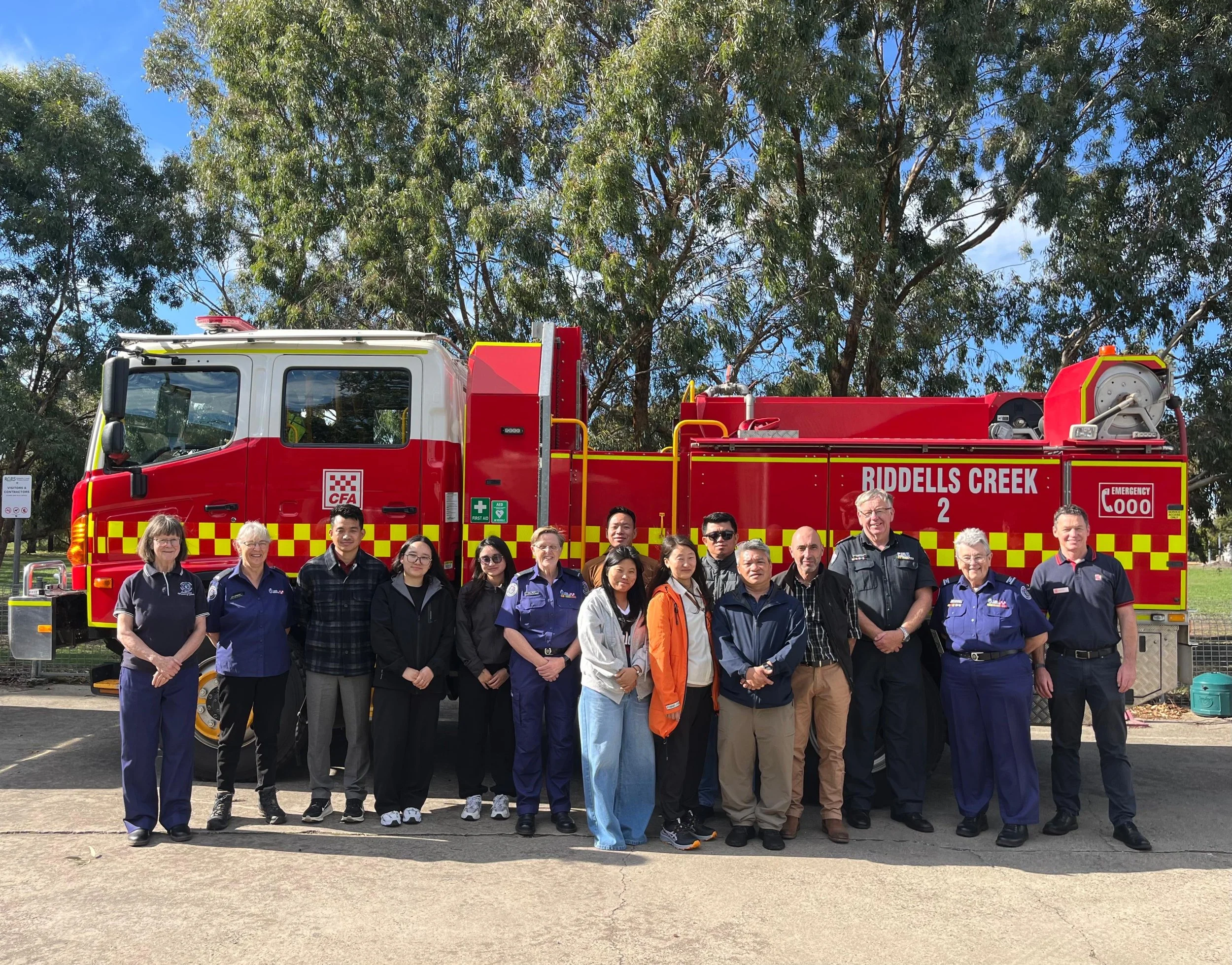
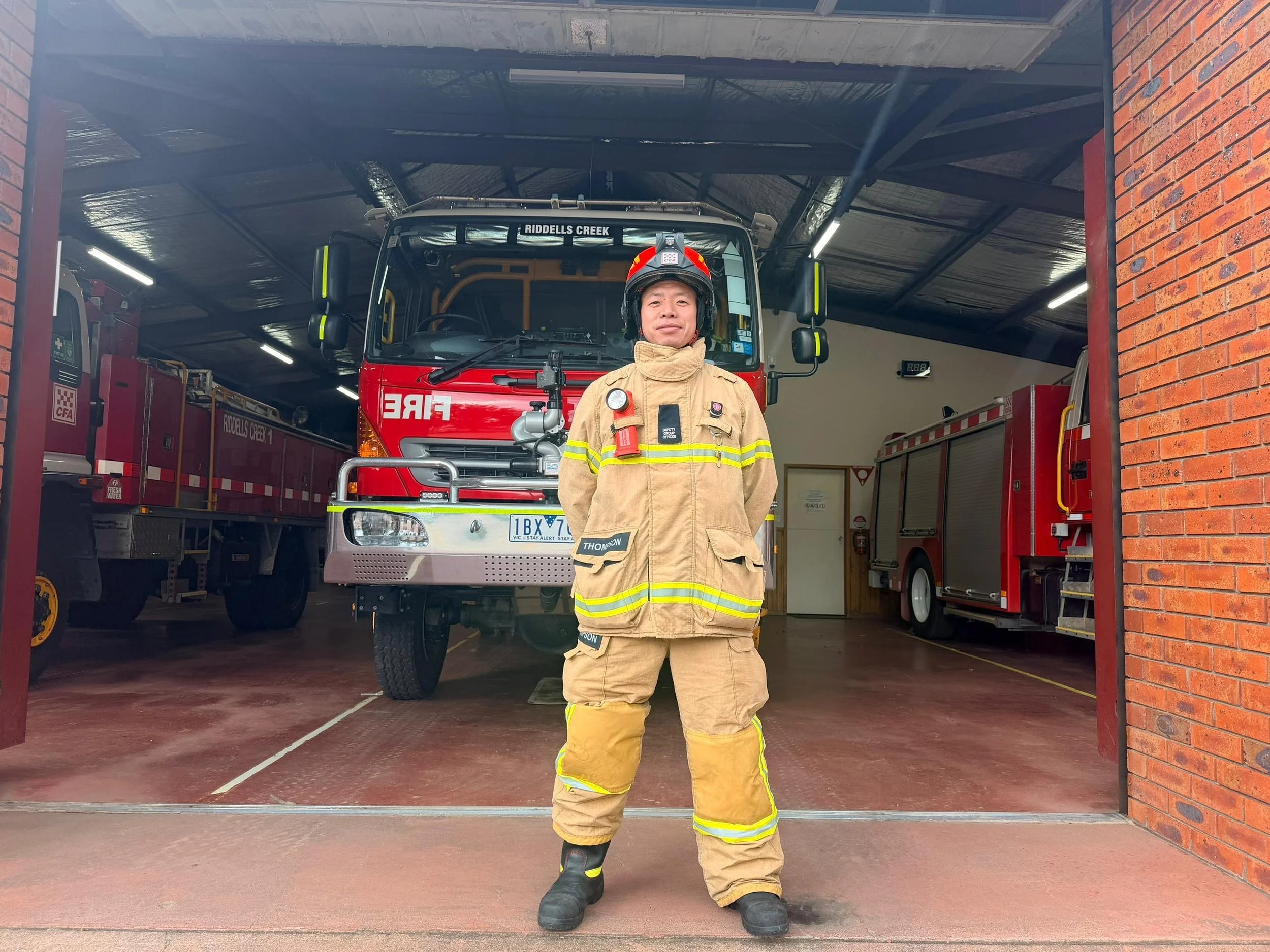
Bhutanese fire management professionals visited the Riddells Creek CFA Brigade in Victoria and met the local volunteer firefighters.
Cultivating resilience and relationships across the Himalaya
By bridging borders to tackle shared environmental threats, these Australia Awards programs reinforce AHF’s role in fostering practical fire management exchanges that help protect landscapes and lives across the Himalaya.
As Corinne Stroppolo, Head of Programs at the Australian Himalayan Foundation, shares, a core legacy of these programs lies in the connections they forge and the impact that comes from those relationships:
"Australia Awards contributes significantly to building people-to-people connections, deepening partnerships and creating vital learning opportunities. They extend the reach and capacity of our development programs and partners and have fostered lasting professional relationships and lifelong friendships."
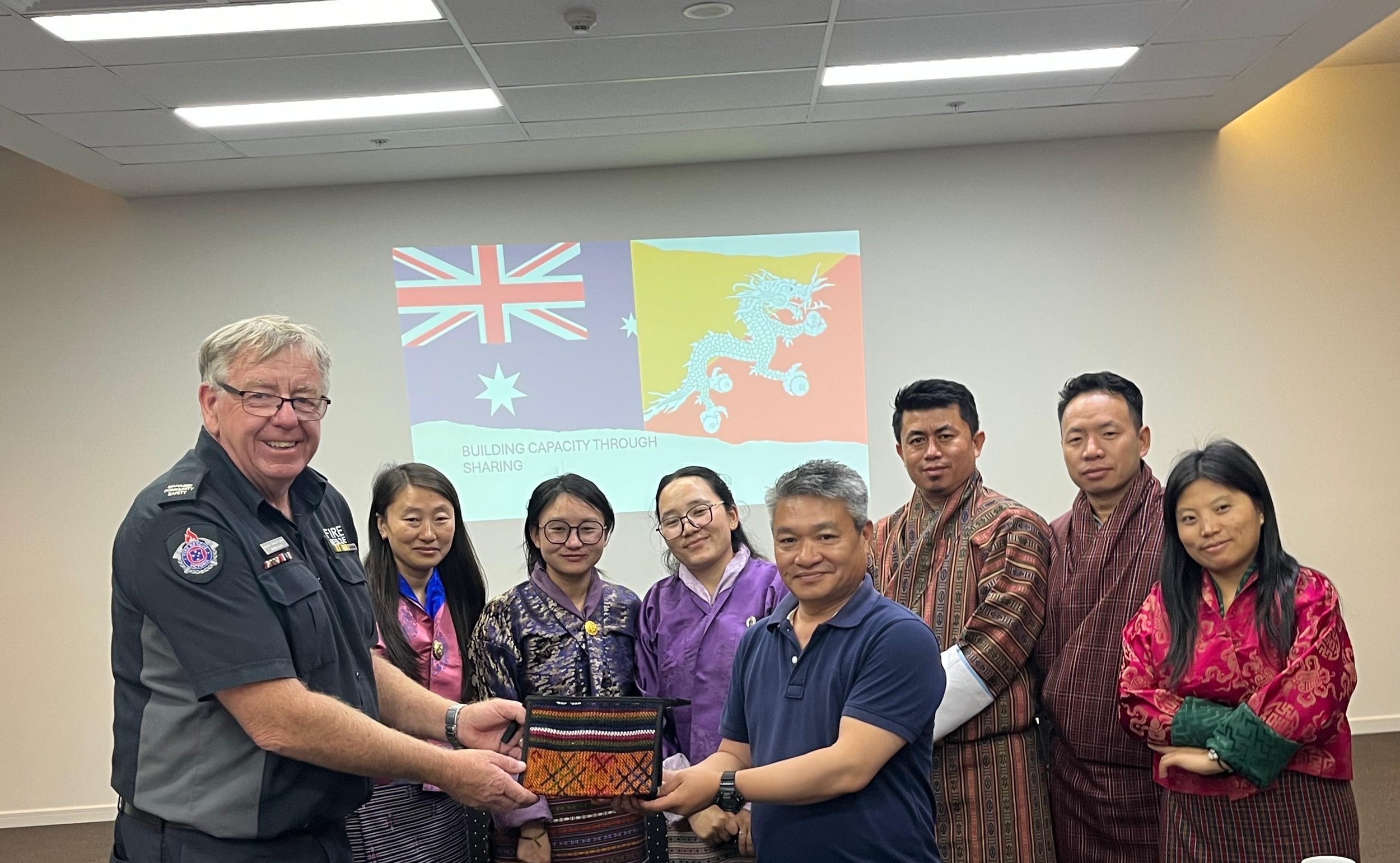
Participants gathered in Melbourne on the final day of the program with David Allen, Country Fire Authority Community Safety Manager.
Australia Awards are prestigious international Scholarships and Fellowships funded by the Australian Government. Australia Awards Fellowships aim to build networks of influence and leadership by strengthening partnerships between Australian organisations and partner organisations in the region. Fellowships target senior and mid-career officials and professionals who are in a position to advance development outcomes in priority areas and increase the institutional capacity of partner countries through their leadership.